Skip to Content

DroneCAN H-RTK F9P Helical

https://www.bzbuas.com/web/image/product.template/455/image_1920?unique=4c31d37

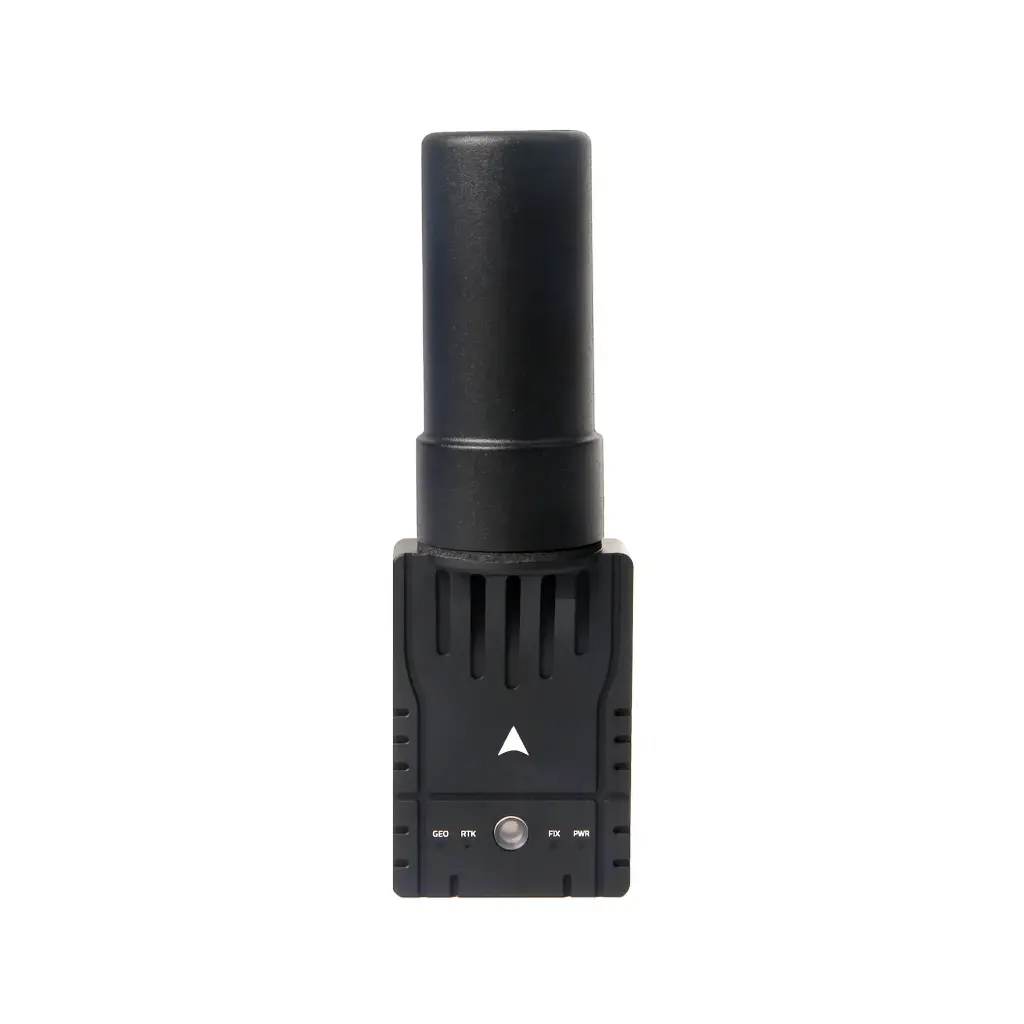
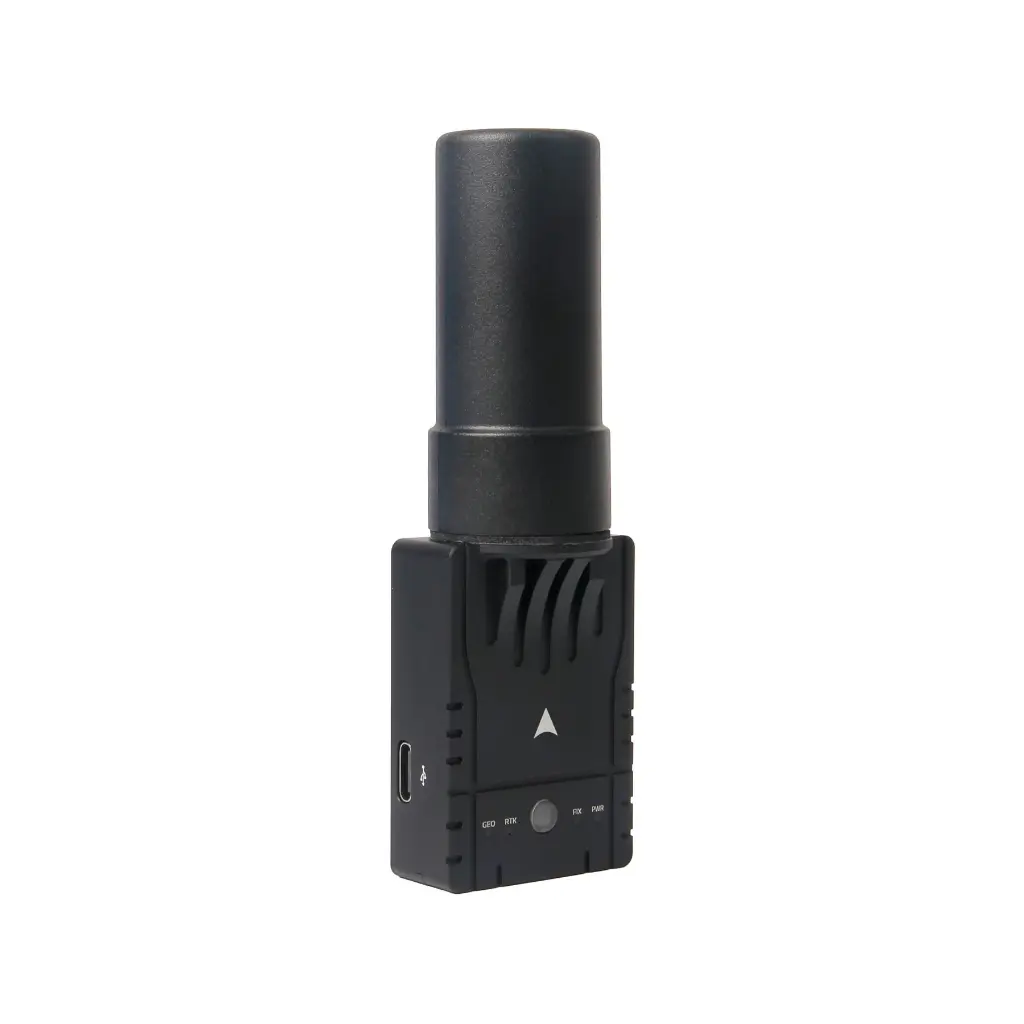
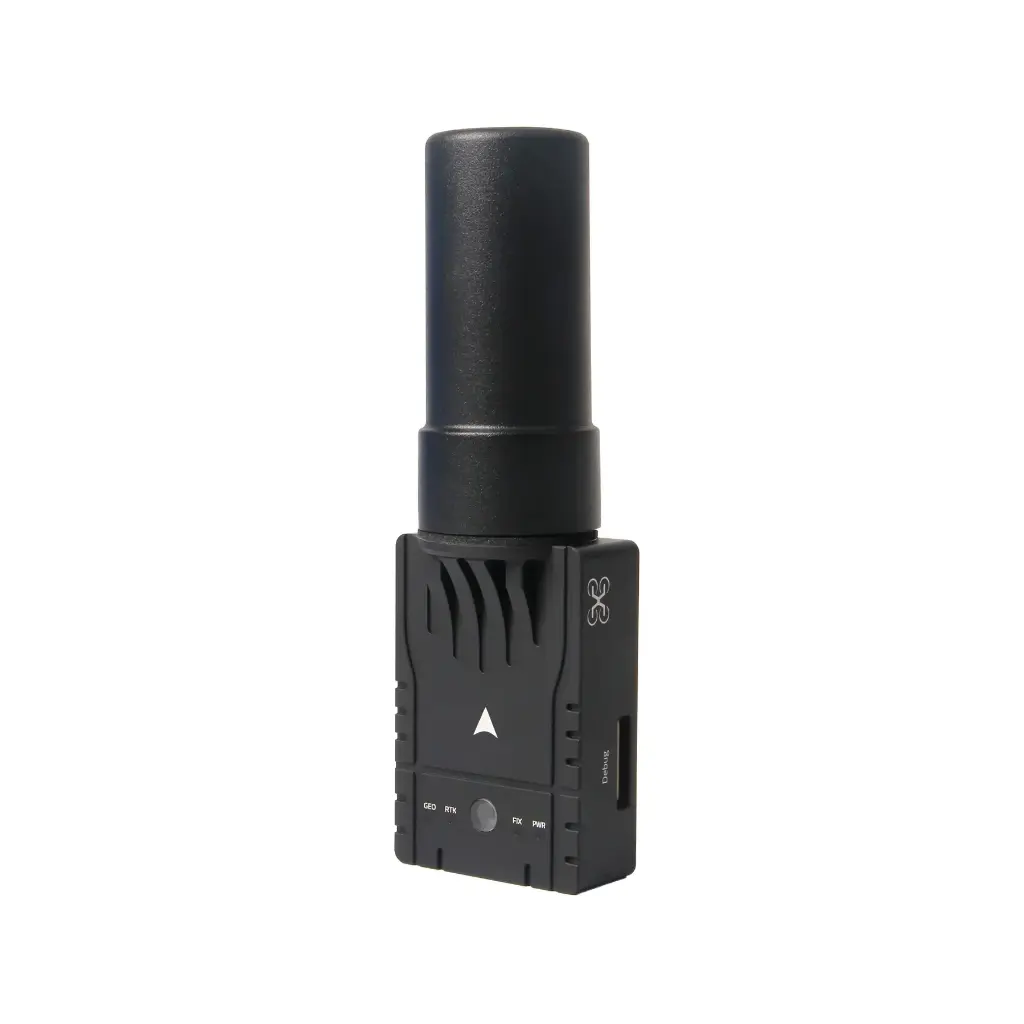
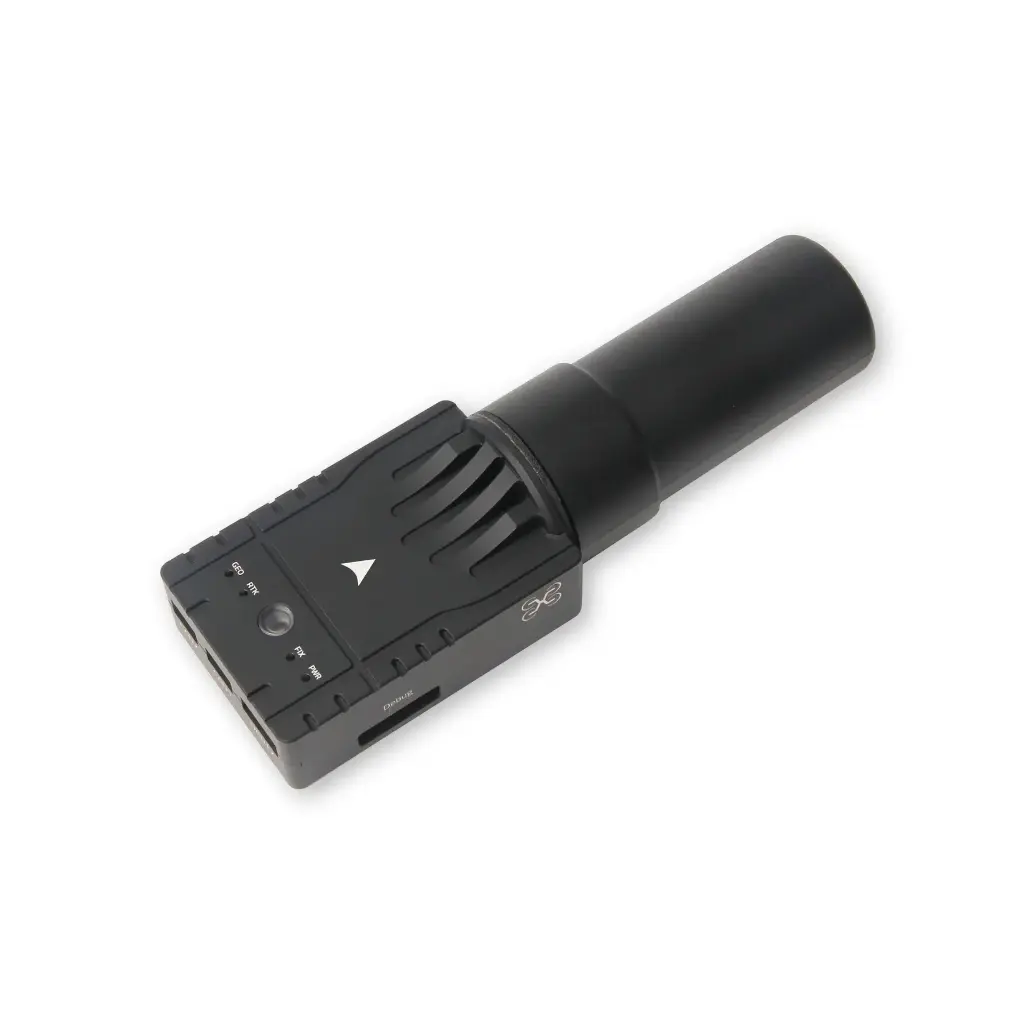
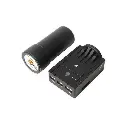
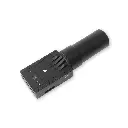
DroneCAN H-RTK F9P od firmy Holybro zapewnia centymetrową precyzję GNSS dzięki wielopasmowemu RTK i szybkiej komunikacji DroneCAN. Jest kompatybilny z kontrolerami Pixhawk i może być wykorzystany w mobilnej platformie lub jako stacja bazowa. W zestawie z anteną helikalną.
1 462,60 zł 1462.6 PLN bez VAT
1 462,60 zł bez VAT

Ta kombinacja nie istnieje.

Odblokuj supermoce lokalizacyjne dzięki DroneCAN H-RTK F9P Helical

DroneCAN H-RTK F9P to najnowszy system pozycjonowania GNSS o wysokiej precyzji od firmy Holybro. Komunikuje się z autopilotem za pośrednictwem DroneCAN. Zapewnia wielopasmowy RTK z niezawodną wydajnością, jednoczesnym odbiorem GPS, GLONASS, Galileo i BeiDou oraz dużą szybkością aktualizacji pozycjonowania z dokładnością do centymetra.

Dzięki przyjęciu protokołu DroneCAN oferuje on częstotliwość odświeżania nawigacji do 8 Hz, odporność na zakłócenia, a także jest bardziej wytrzymały niż UART ze względu na zwiększoną odporność na zakłócenia elektromagnetyczne. Nie zajmuje żadnego portu szeregowego kontrolera lotu (autopilota), a jedną z jego zalet jest możliwość podłączenia wielu urządzeń CAN do tej samej magistrali CAN za pośrednictwem koncentratora.

DroneCAN H-RTK F9P wykorzystuje moduł u-blox F9P, kompas BMM150 i trójkolorowy wskaźnik LED i jest wyposażony w procesor STM32G4 pracujący z częstotliwością 170 MHz z 512 KByte Flash i 96 KByte RAM. Obsługa sprzętowa DroneCAN odbywa się za pośrednictwem narzędzia GUI DroneCAN. Jest kompatybilny z kontrolerem lotu serii Pixhawk, The Cube oraz wszystkich typu open source.


Antena - DroneCAN H-RTK F9P Helical

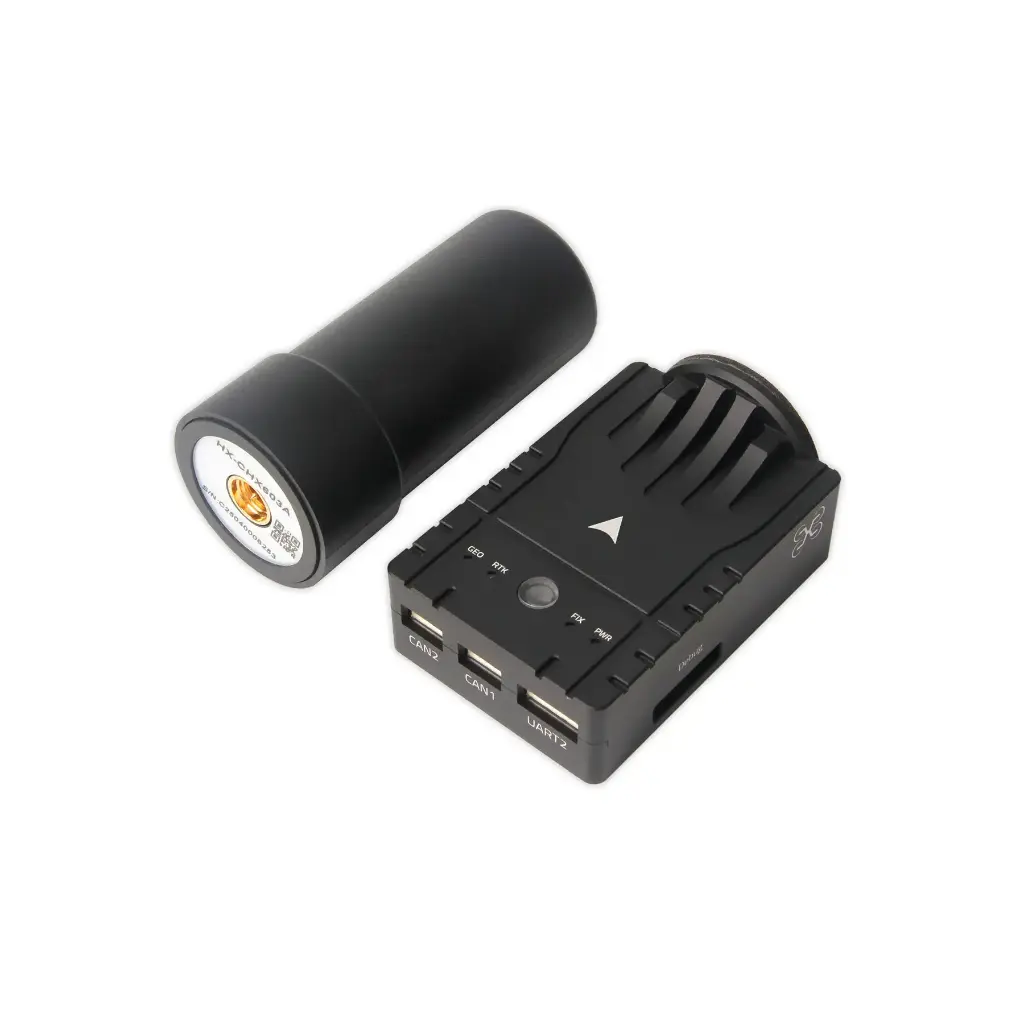
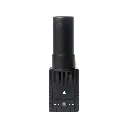
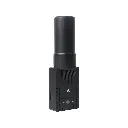
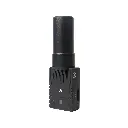
Model ten wykorzystuje antenę helikalną, która radzi sobie nieco lepiej w przestrzeni z przeszkodami niż wersja Rover. Antenę tego modułu można podłączyć bezpośrednio do modułu lub podłączyć za pomocą kabla SMA, co zapewnia najwyższą elastyczność i możliwość dobrego umiejscowienia w pojeździe. Posiada również odsłonięty port UART2, umożliwiający wykonywanie YAW/Heading (czyli ruchoma linia bazowa).

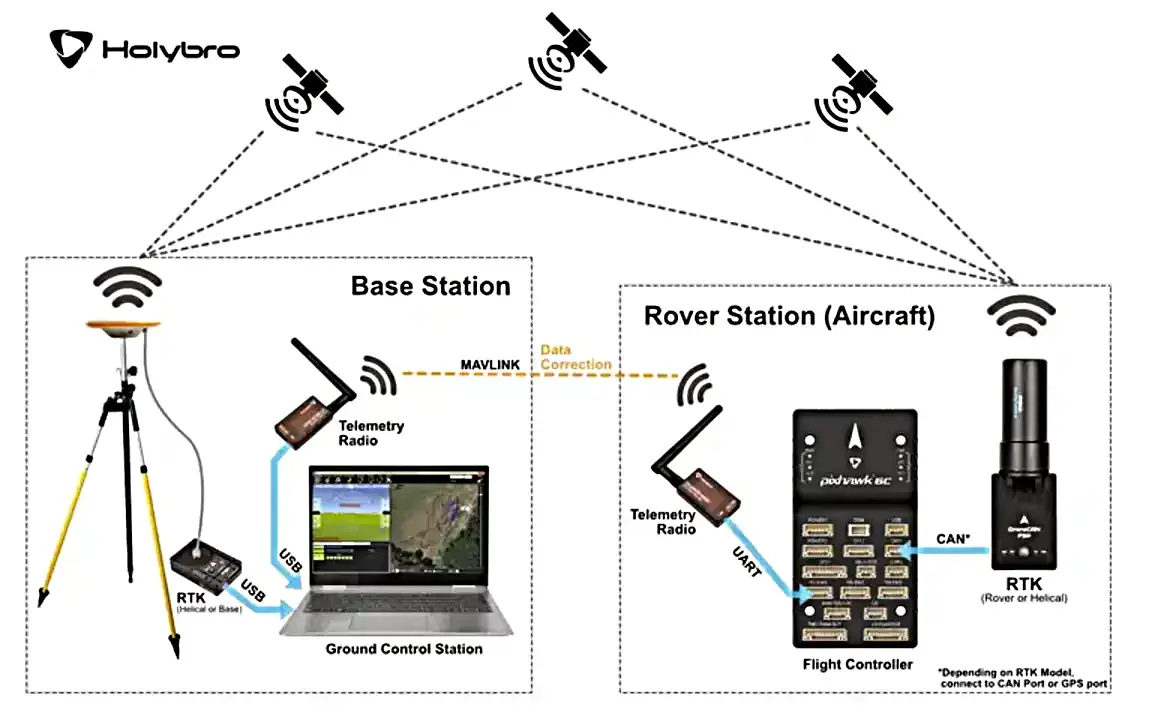
Model ten może być używany zarówno na łaziku czy samolocie, jak i jako stacja bazowa. Jednakże, gdy jest używany jako stacja bazowa, RTK komunikuje się z naziemną stacją kontroli przez USB, więc protokół DroneCAN nie jest używany.

DroneCAN H-RTK F9P Helical Specyfikacja

Przeznaczenie

Pojazdy mobilne (np. drony) lub stacje bazowe

GNSS Odbiornik

Moduł GNSS U-blox ZED-F9P o wysokiej precyzji

Procesor

STM32G473

Magnetometr

BMM150

GNSS

BeiDou, Galileo, GLONASS, GPS / QZSS

Pasmo GNSS

B1I, B2I, E1B/C, E5b, L1C/A, L1OF, L2C, L2OF

Dokładność pozycjonowania

3D FIX: 1.5 m / RTK: 0.01 m

Protokół komunikacji

DroneCAN 1Mbit/s

Wzmocnienie anten

L1: 2dBi

L2: 2dBi

Time-TO-First Fix

Zimny start: ≤25s
Prawidłowy start: ≤1s

Prędkość aktualizacji położenia 

RAW: 20Hz Max RTK: 8Hz Max

Ruchoma baza RTK: 5Hz Max

Długość kabla

N/A

Typ konektora

Moduł: SMA żeńskie, Antena: SMA męski

Napięcie robocze

4.75V~5.25V

Pobór prądu

~250mA

Wymiary

Moduł: 51.1×35×22.9mm 
Średnica anteny: 27.5mm 
Wysokość anteny: 59mm

Waga

58g

Temperatura pracy

od -20℃ do 85℃

Przydatne materiały, dokumentację, podręcznik użytkownika oraz inne szczegóły techniczne dla DroneCAN H-RTK F9P Helical znajdziesz TUTAJ.

Przykładowy schemat połączeń​

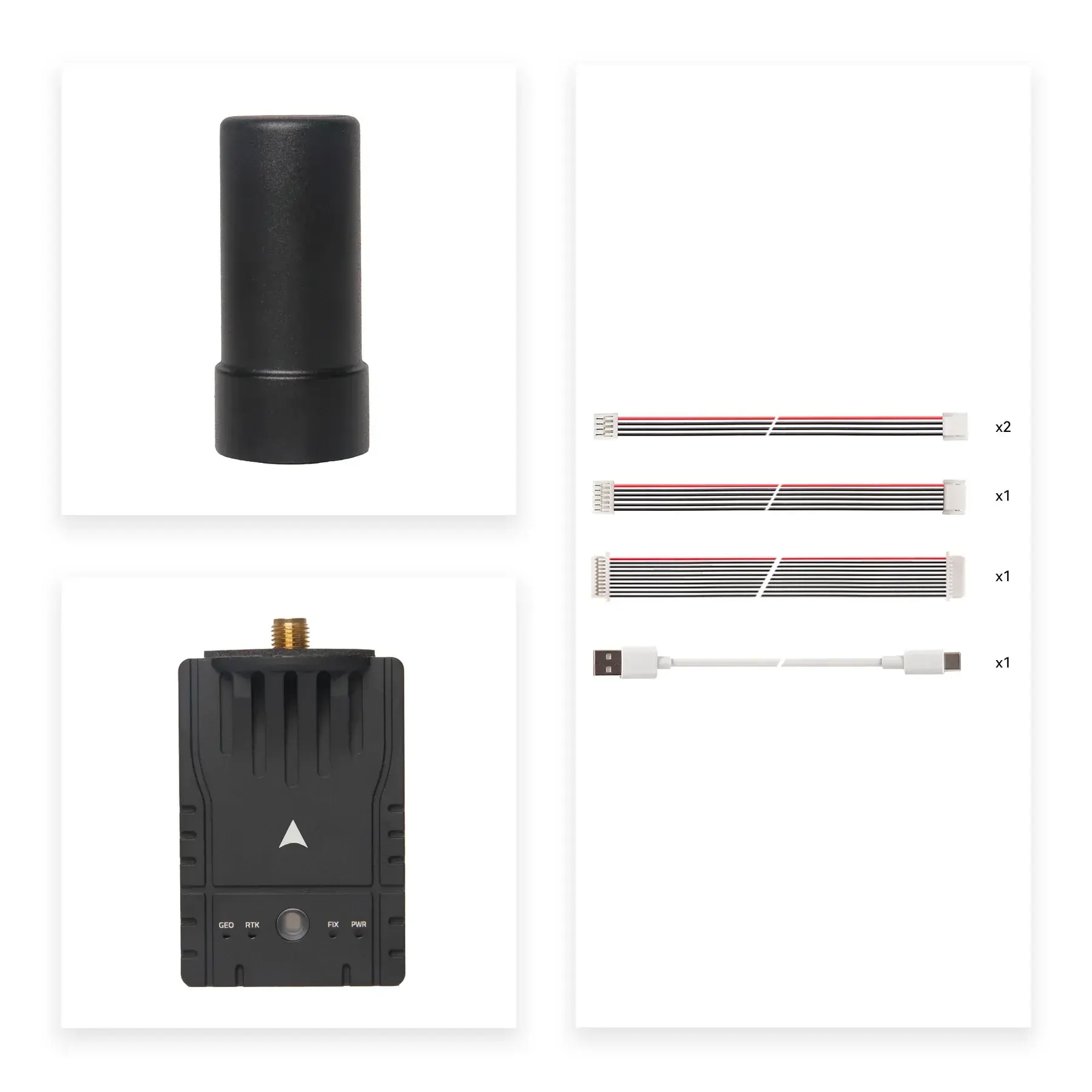
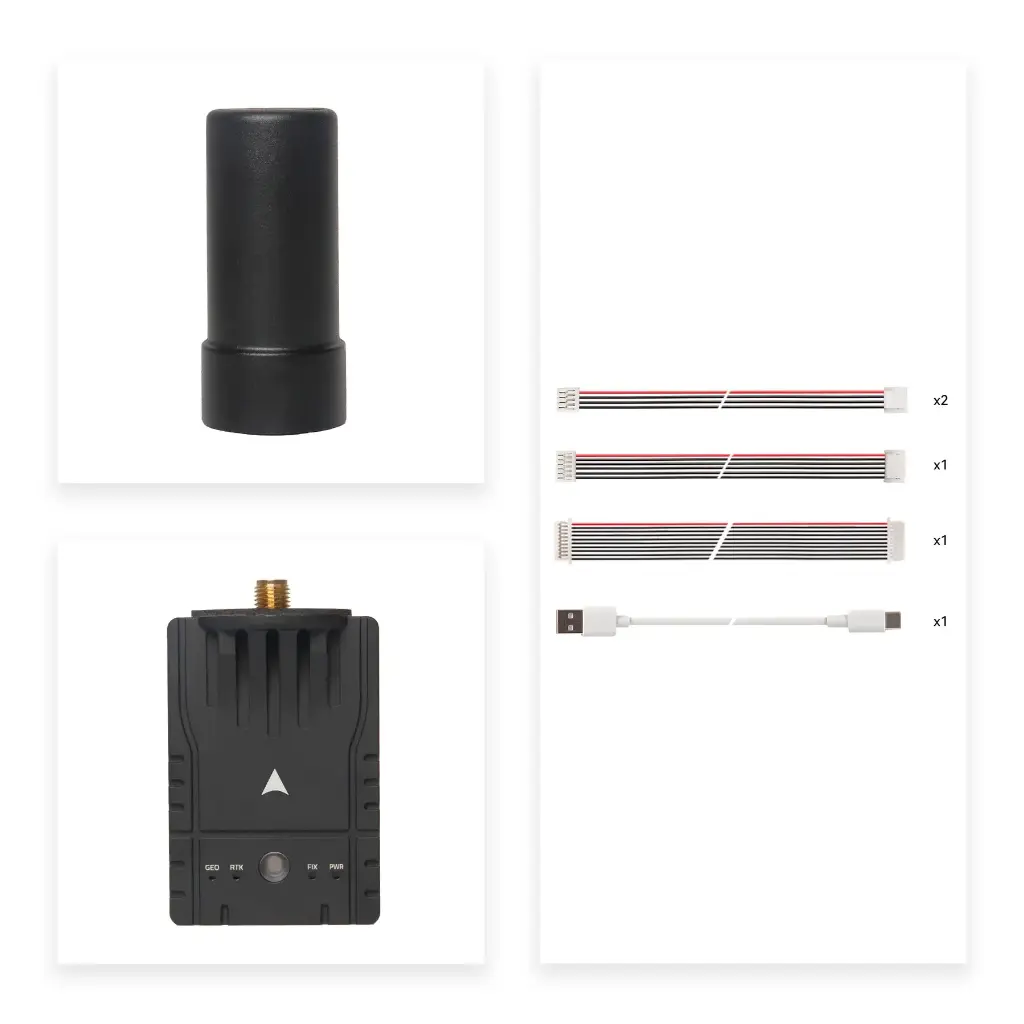
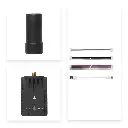
Zestaw DroneCAN H-RTK F9P Helical zawiera

  • 1x DroneCAN F9P Helical
  • 1x Wysoko precyzyjna antena dwuczęstotliwościowa Helical (L1/L2)
  • 1x Kabel GH 4P 400mm
  • 1x Kabel GH 4P 150mm
  • 1x Kabel GH 6P 150mm
  • 1x Kabel SH 10P 150mm
  • 1x Kabel USB (typ C)
DroneCAN-H-RTK-F9P-Helical

TCXO Keeps Frequency Operation Stable

A built-in temperature-compensated crystal oscillator helps the receiver maintain accurate and stable frequency operation as conditions change. For an RC receiver working inside a drone or aircraft, this provides a more controlled frequency reference instead of relying on a basic uncompensated oscillator.

Two Antennas for Greater Link Stability

BR3 uses two high-sensitivity T antennas rather than a single antenna. RadioMaster states that the dual 915/868MHz T-antenna arrangement improves signal stability and range. Both antennas connect independently to the receiver through IPEX1 connectors, giving the BR3 a clear advantage in installations where maintaining a strong RF link is a priority.

Designed to Handle Vibration

RadioMaster uses 0402 components in the BR3 and specifically highlights improved vibration resistance as a benefit of this construction. This is particularly relevant in drones and fixed-wing models, where motors and propellers continuously introduce mechanical vibration into the airframe and onboard electronics.

High Performance Without a Bulky Receiver

Despite its dual-antenna design and telemetry output of up to 500 mW, the BR3 receiver itself measures only 24 mm x 14.2 mm according to RadioMaster's official specification. Its compact footprint makes it easier to integrate into an electronics bay without taking unnecessary space away from the flight controller, video system or other onboard equipment.

RadioMaster Bandit BR3 ExpressLRS 915MHz Receiver Applications

RadioMaster Bandit BR3 ExpressLRS 915MHz Receiver is intended for drones, FPV builds, fixed-wing aircraft and other RC platforms using ExpressLRS and CRSF communication. Its dual antennas, adjustable telemetry output and low-latency architecture make it particularly useful in builds where stable communication and responsive control are important.

The supplied retailer sources also position the BR3 for FPV freestyle and Long Range configurations. Actual operating range depends on the complete radio system, antennas, installation, environment and operating conditions rather than the receiver alone.

Z-Folding Process

By implementing the proprietary Z-Folding process, the BetaFPV LAVA II 280mAh 1S 95C LiHV Battery achieves a 5% higher energy density compared to traditional wound-cell designs. This precision engineering not only enhances the power-to-weight ratio but also significantly extends the cycle life of the BetaFPV LAVA II 280mAh 1S 95C LiHV Battery, ensuring long-term reliability for demanding pilots.

RadioMaster Bandit BR3 ExpressLRS 915MHz Receiver Important Information Before Purchase

RadioMaster Bandit BR3 ExpressLRS 915MHz Receiver is specified by the manufacturer for the FCC915 regulatory domain. Before use, make sure that the selected operating frequency and transmitter configuration comply with the radio regulations applicable in the country where the system will be operated.

The receiver communicates through CRSF rather than conventional individual PWM servo outputs. The connected flight controller or other device must therefore support the appropriate serial interface. RadioMaster specifies a working voltage of DC 4.5–8.4 V.

RadioMaster Bandit BR3 ExpressLRS 915MHz Receiver Dimensions ​