Skip to Content

AP_Periph DroneCAN Digital Power Monitor CAN-L4-BM

https://www.bzbuas.com/web/image/product.template/607/image_1920?unique=bf73563

CAN-L4-BM to ultra precyzyjny cyfrowy monitor zasilania oparty na oprogramowaniu TI INA239 i ArudPilot AP_Periph.
113,01 zł 113.01 PLN bez VAT
113,01 zł bez VAT

Ta kombinacja nie istnieje.

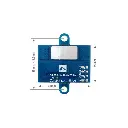
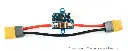
CAN-L4-BM ultra precyzyjne cyfrowe monitorowanie zasilania!

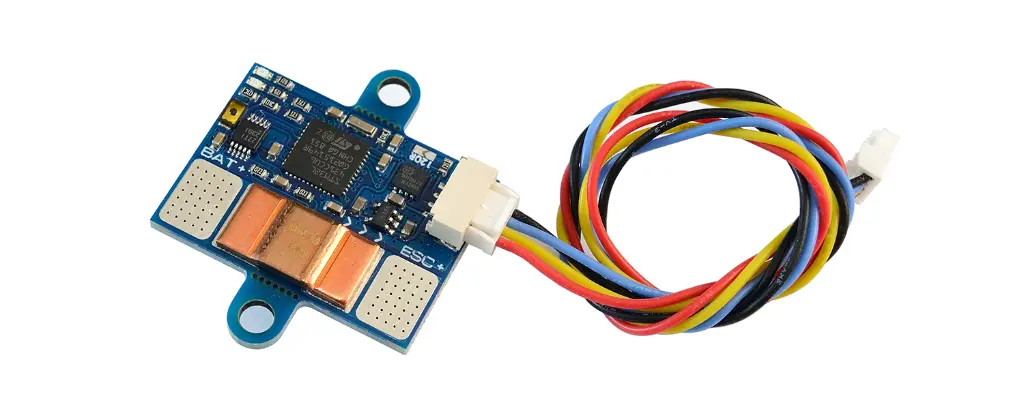
CAN-L4-BM to ultra precyzyjny cyfrowy monitor zasilania oparty na oprogramowaniu TI INA239 i ArudPilot AP_Periph.

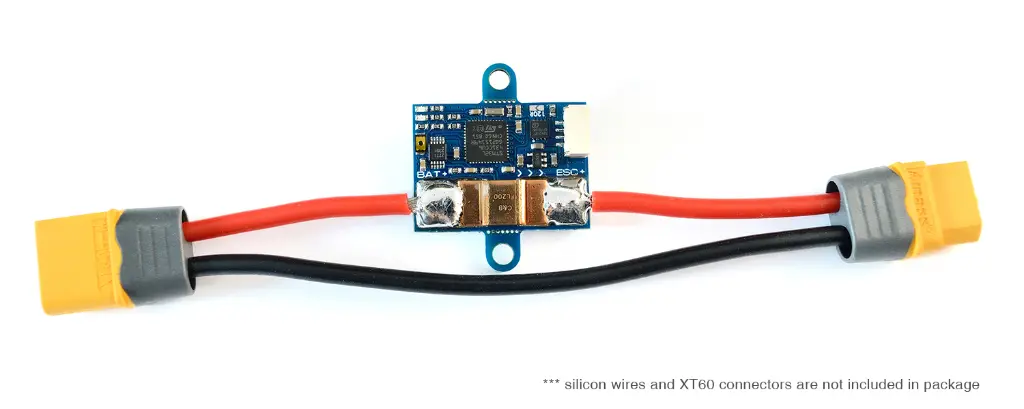
Rezystancja tej ścieżki przewodzącej wynosi typowo 200 μΩ, zapewniając niskie straty mocy w aplikacji.

Dzięki temu urządzeniu nie jest wymagana kalibracja, a kontroler lotu obsługujący protokół DroneCAN może z łatwością uzyskać dokładne odczyty prądu i napięcia magistrali za pośrednictwem magistrali CAN.
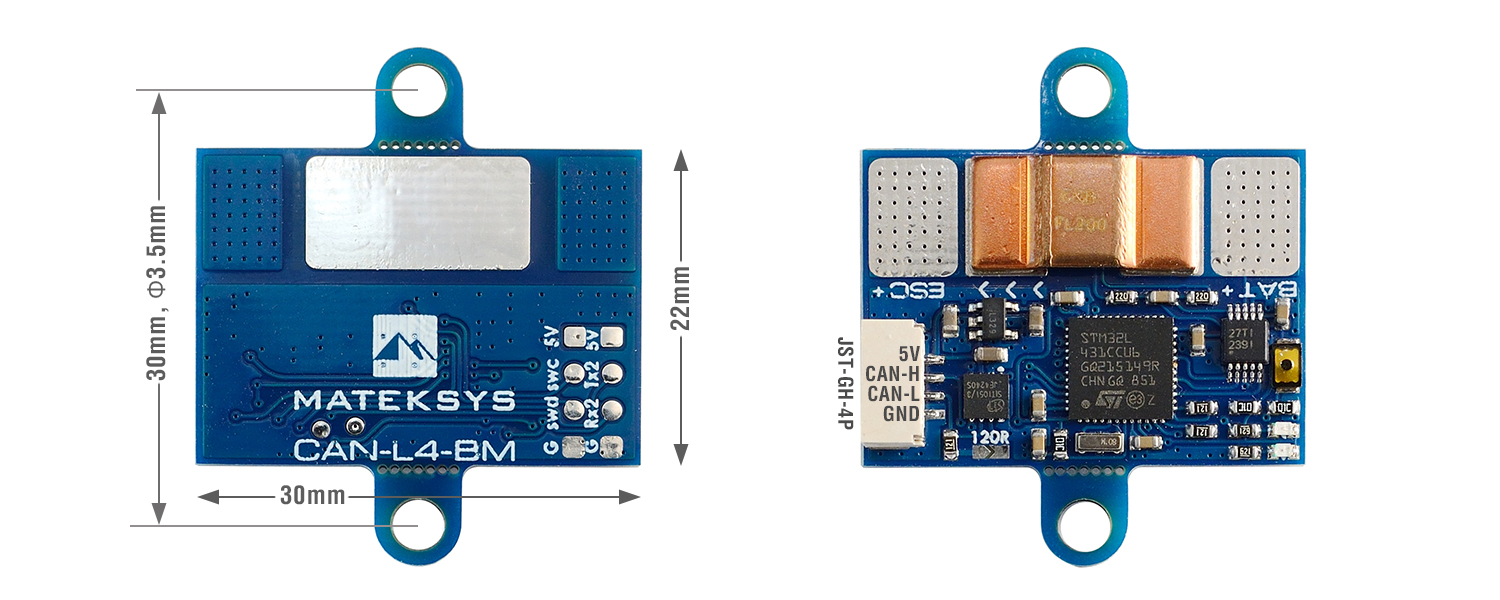
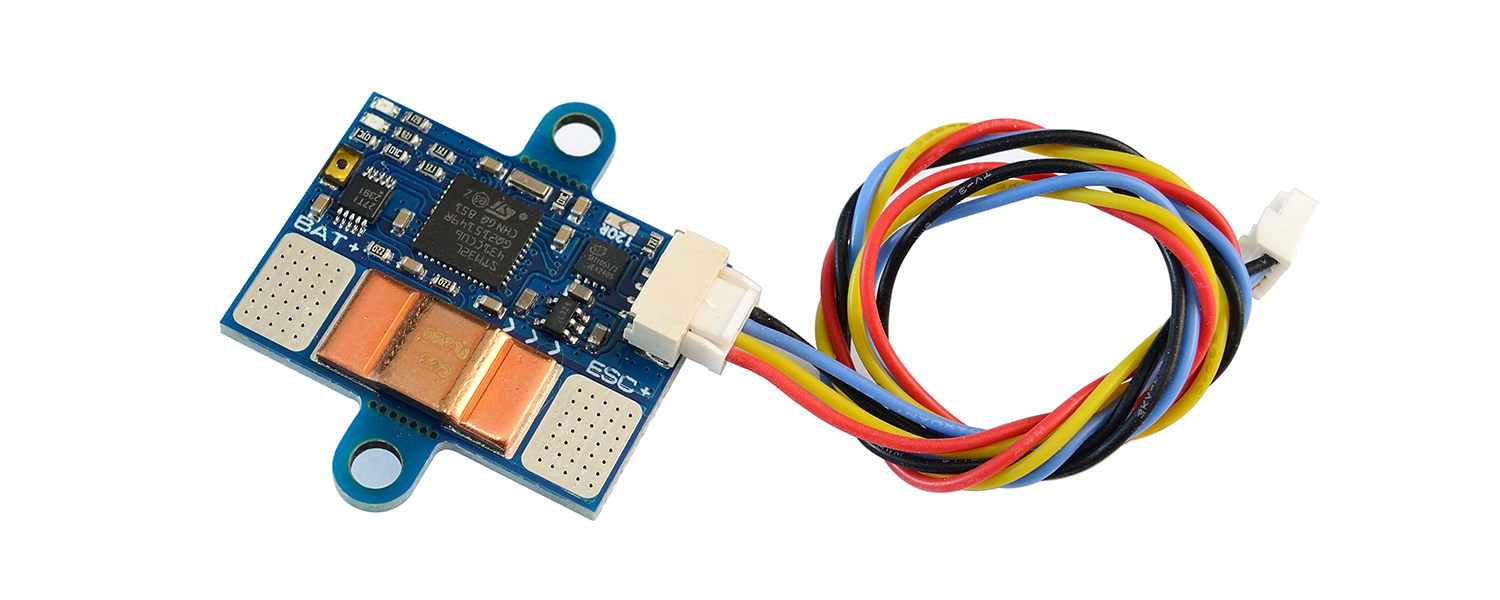


Specyfikacja AP_Periph DroneCAN Digital Power Monitor CAN-L4-BM

MCU: STM32L431xC, 256KB Flash

INA239 85-V, 16-bitowy, precyzyjny układ scalony monitora zasilania z interfejsem SPI

Wejście wykrywania napięcia akumulatora: 0~85V

Zakres wykrywania prądu:  0~204.8A

Prąd obciążenia rezystora wykrywającego prąd: 150 A (ciągły), 204,8 A (burst)

Dokładność napięcia: ± 0,1%

Dokładność prądu: ± 2%


Interfejs

  • CAN, protokół DroneCAN
  • UART2, zapasowy, DFU
  • Debug ST, SWCLK i SWDIO


DIODA LED

  • Niebieska, szybko migająca, uruchamianie
  • Niebieska, wolno migająca, praca
  • Czerwona, wskaźnik 3,3 V


Zasilanie płyty CAN-L4-BM: 4,5~5,5V @5V pad/pin

Pobór mocy: 10mA

Temperatura pracy: -40~85 °C


Fizyczne

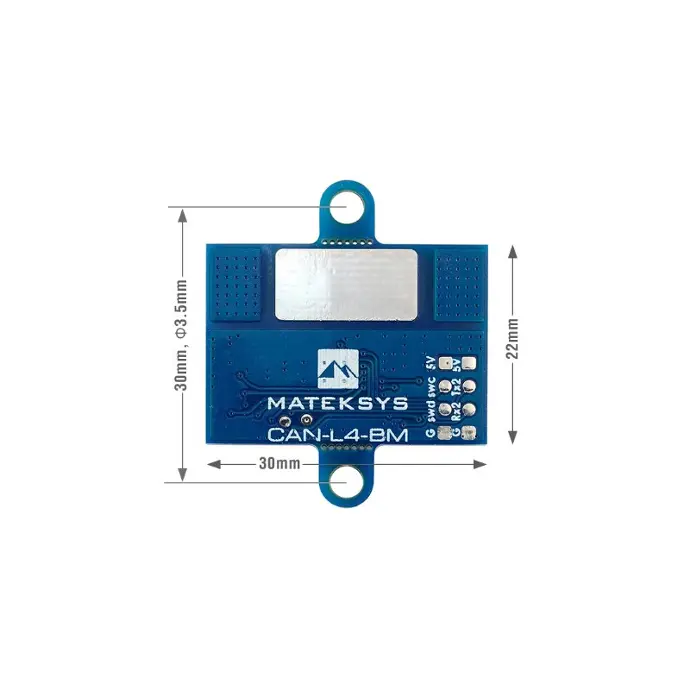
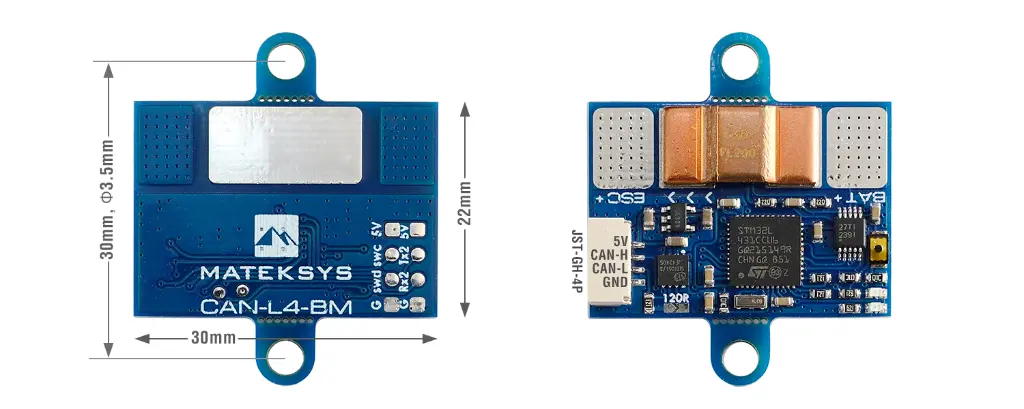
  • Rozmiar płytki: 30mm*22mm*3mm.  4g
  • Plik 3D: CAN-L4-BM_STEP.zip


Firmware

  • ArduPilot AP_Periph MatekL431-BattMon
  • Aktualizacja przez narzędzie GUI DroneCAN


Parametry

  • CAN_P1_DRIVER = 1 jeśli podłączony do portu CAN bus1 lub CAN_P2_DRIVER = 1 jeśli podłączony do portu CAN bus2
  • BATTx_MONITOR = 8 (DroneCAN-BatteryInfo)


Dobre praktyki

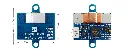
  • Duży pad na dole to martwy pad. Nie ma na nim żadnej sieci obwodów.
  • Przewody dodatnie należy przylutować jak najbliżej obu stron rezystora wykrywającego prąd.
  • 2 uszy do montażu można odciąć, jeśli nie są potrzebne.
  • Jeśli przewody CAN są zbyt długie, zmostkuj zworkę "120R".
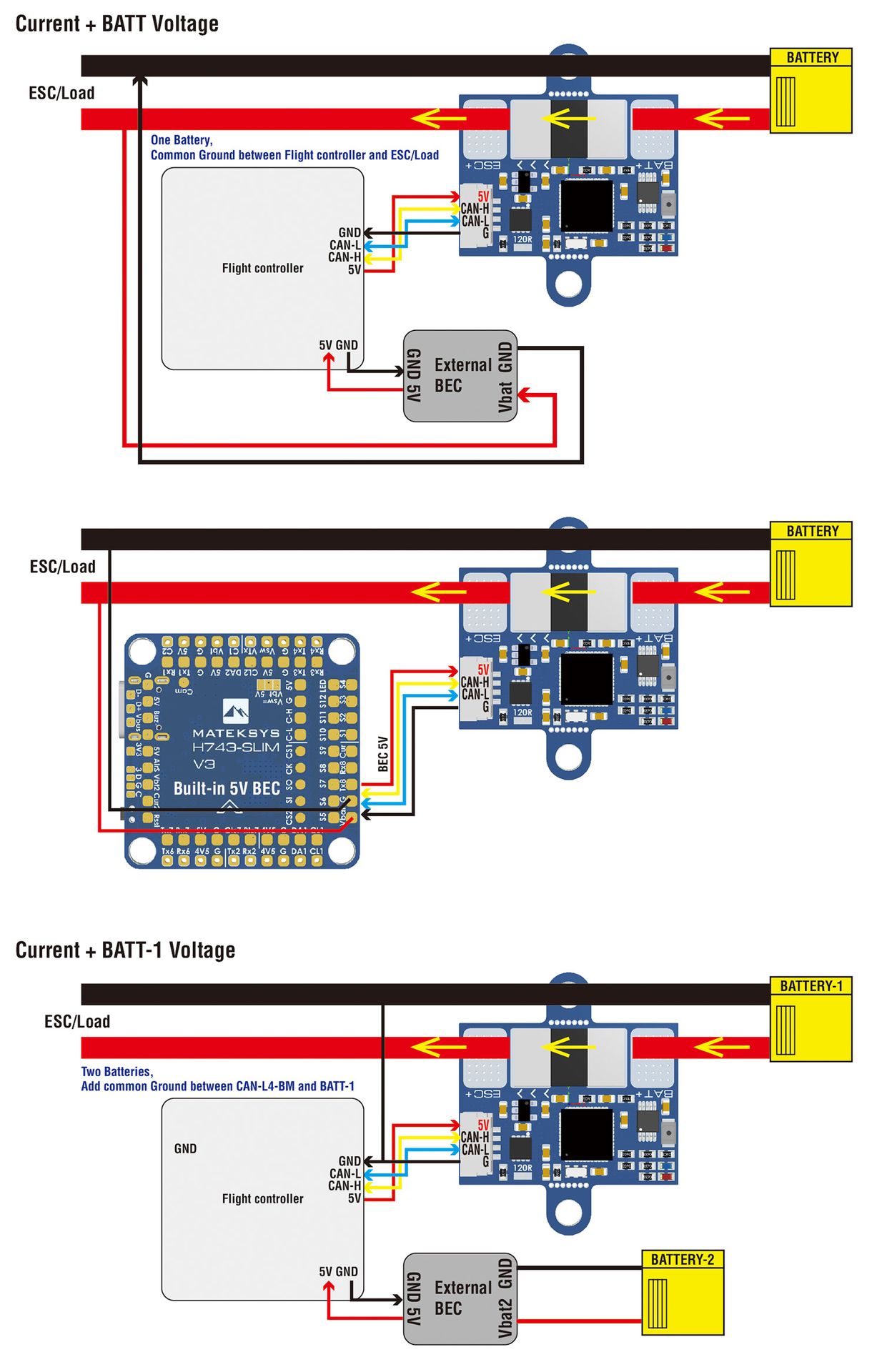

Zestaw AP_Periph DroneCAN Digital Power Monitor CAN-L4-BM zawiera

  • 1x płytka CAN-L4-BM
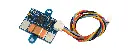
  • 1x przewód silikonowy JST-GH-4P do JST-GH-4P 20 cm


TCXO Keeps Frequency Operation Stable

A built-in temperature-compensated crystal oscillator helps the receiver maintain accurate and stable frequency operation as conditions change. For an RC receiver working inside a drone or aircraft, this provides a more controlled frequency reference instead of relying on a basic uncompensated oscillator.

Two Antennas for Greater Link Stability

BR3 uses two high-sensitivity T antennas rather than a single antenna. RadioMaster states that the dual 915/868MHz T-antenna arrangement improves signal stability and range. Both antennas connect independently to the receiver through IPEX1 connectors, giving the BR3 a clear advantage in installations where maintaining a strong RF link is a priority.

Designed to Handle Vibration

RadioMaster uses 0402 components in the BR3 and specifically highlights improved vibration resistance as a benefit of this construction. This is particularly relevant in drones and fixed-wing models, where motors and propellers continuously introduce mechanical vibration into the airframe and onboard electronics.

High Performance Without a Bulky Receiver

Despite its dual-antenna design and telemetry output of up to 500 mW, the BR3 receiver itself measures only 24 mm x 14.2 mm according to RadioMaster's official specification. Its compact footprint makes it easier to integrate into an electronics bay without taking unnecessary space away from the flight controller, video system or other onboard equipment.

RadioMaster Bandit BR3 ExpressLRS 915MHz Receiver Applications

RadioMaster Bandit BR3 ExpressLRS 915MHz Receiver is intended for drones, FPV builds, fixed-wing aircraft and other RC platforms using ExpressLRS and CRSF communication. Its dual antennas, adjustable telemetry output and low-latency architecture make it particularly useful in builds where stable communication and responsive control are important.

The supplied retailer sources also position the BR3 for FPV freestyle and Long Range configurations. Actual operating range depends on the complete radio system, antennas, installation, environment and operating conditions rather than the receiver alone.

Z-Folding Process

By implementing the proprietary Z-Folding process, the BetaFPV LAVA II 280mAh 1S 95C LiHV Battery achieves a 5% higher energy density compared to traditional wound-cell designs. This precision engineering not only enhances the power-to-weight ratio but also significantly extends the cycle life of the BetaFPV LAVA II 280mAh 1S 95C LiHV Battery, ensuring long-term reliability for demanding pilots.

RadioMaster Bandit BR3 ExpressLRS 915MHz Receiver Important Information Before Purchase

RadioMaster Bandit BR3 ExpressLRS 915MHz Receiver is specified by the manufacturer for the FCC915 regulatory domain. Before use, make sure that the selected operating frequency and transmitter configuration comply with the radio regulations applicable in the country where the system will be operated.

The receiver communicates through CRSF rather than conventional individual PWM servo outputs. The connected flight controller or other device must therefore support the appropriate serial interface. RadioMaster specifies a working voltage of DC 4.5–8.4 V.

RadioMaster Bandit BR3 ExpressLRS 915MHz Receiver Dimensions ​