What does the oil and gas sector look like worldwide?
Today, supplies of media such as crude oil, fuel and gas rely mainly on companies in the oil and gas sector. This means thousands of kilometres of overhead and underground pipelines all over the world.
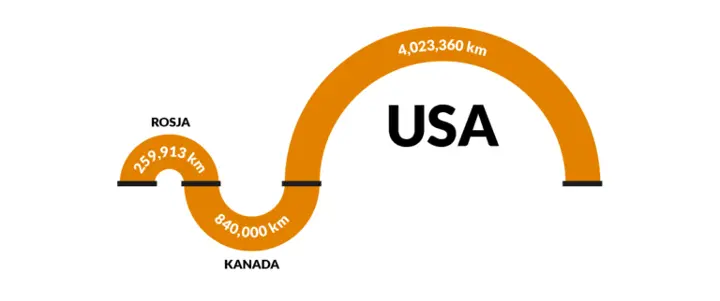
source: https://en.wikipedia.org/wiki/List_of_countries_by_total_length_of_pipelines
- USA – 4,023,360 km of pipelines,
- Canada – 840,000 km of pipelines,
- Russia – 259,913 km of pipelines
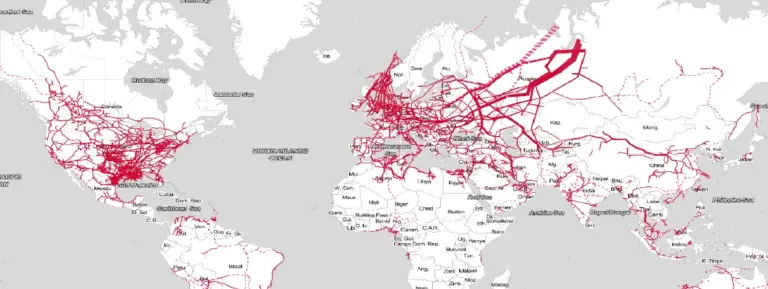
source: http://www.snamatlas.it/snamAtlas
What problems do BZB UAS customers face?
Companies that extract and transport media through pipelines face many threats that can directly cause interruptions in supply, harm the environment or indirectly affect people's lives and the company's reputation.
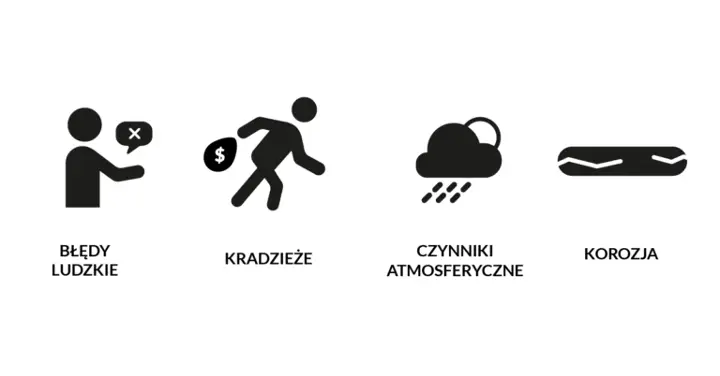
Detecting failures in time and responding appropriately is an important part of pipeline inventory, which affects the company's revenue as well as the supplier's reputation. When media are transported through a pipeline, an unwanted leak may occur, caused by:
- leaks in the installation due to corrosion,
- illegal attempts to tamper with the pipeline,
- external factors such as natural disasters,
- unintentional actions of third parties.
All these events lead to contamination of the natural environment with the transported substance and threaten people's health and lives.
What problems do pipeline monitoring drones solve?
By combining modern drone technologies with machine learning, inventories can be carried out quickly and effectively – detecting threats or illegal attempts to tamper with the pipeline. Traditional pipeline inspection methods are time-consuming and expensive. By automatically collecting photogrammetric data and analysing it quickly with AI-based software, these systems reduce costs, increase safety and provide accurate documentation of inventory work.
Companies that transport media through pipelines are obliged to inspect their infrastructure continuously. They must check whether suspicious water bodies suggesting a leak and contamination have appeared along the pipeline route, whether trees have been planted that could damage the pipeline, and whether there are leaks or illegal tampering attempts. Data and reports from drones are a permanent record that you can go back to at any time to check the condition of the infrastructure.

Benefits of using drones to monitor pipelines
- Fast, remote inspection of pipeline networks
- Rapid detection of anomalies and illegal tampering attempts
- Monitoring of facilities
- Detecting and locating leaks
- Safety checks of equipment and platforms
- Optimisation of repair processes
- Development of 3D construction designs
- Monitoring construction progress
- Data collection and storage
Case study using the KOLIBER UAV
Deployment for our partner PKN Orlen, which needed an inventory and monitoring of the Wrocław – Płock transmission pipeline to detect illegal tampering attempts and identify potential threats. To collect photogrammetric data, BZB UAS used the KOLIBER VTOL unmanned aircraft. This type of drone, a hybrid of an aeroplane and a multirotor, can take off and land vertically on unprepared ground and has a long flight time, so the photogrammetric data was collected very quickly. For the client, the team developed specialised AI-based software that detects anomalies along the pipeline.
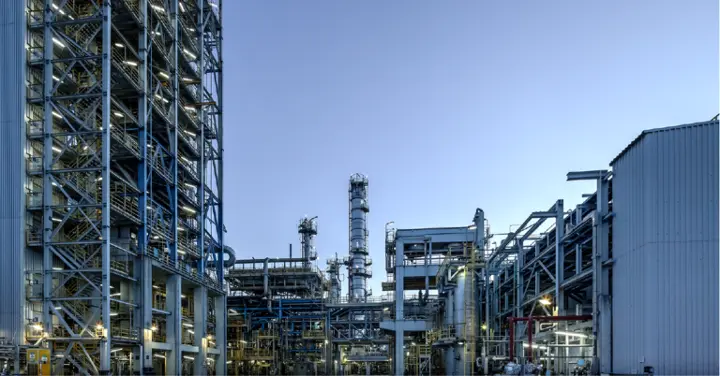
source: PKN Orlen