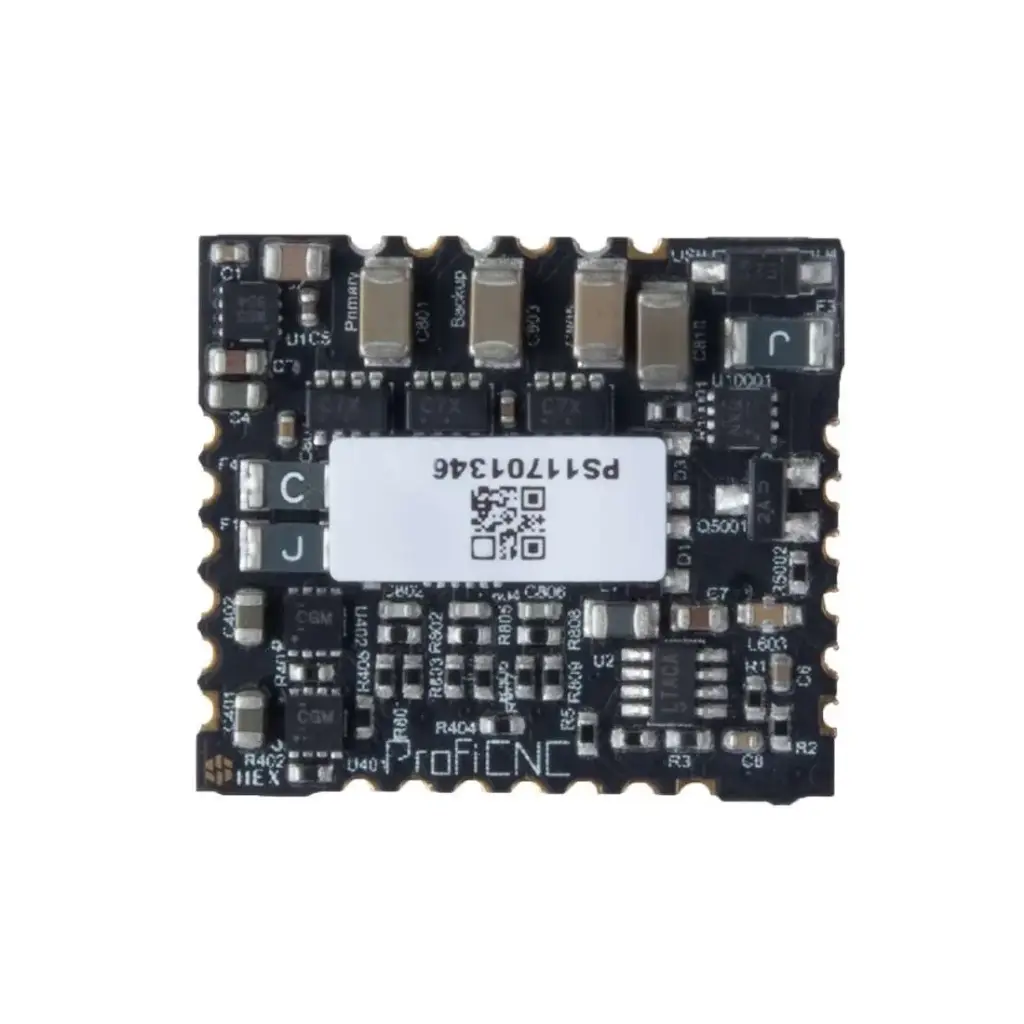
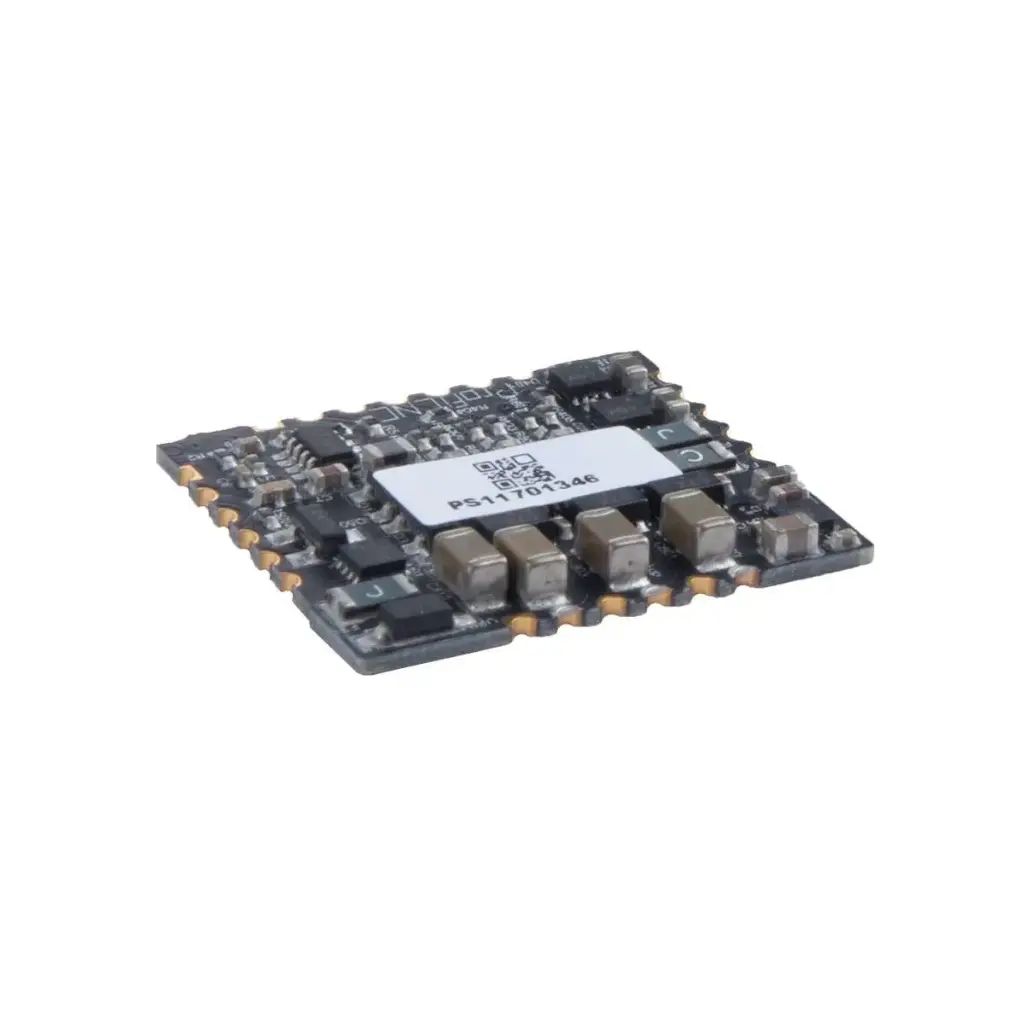
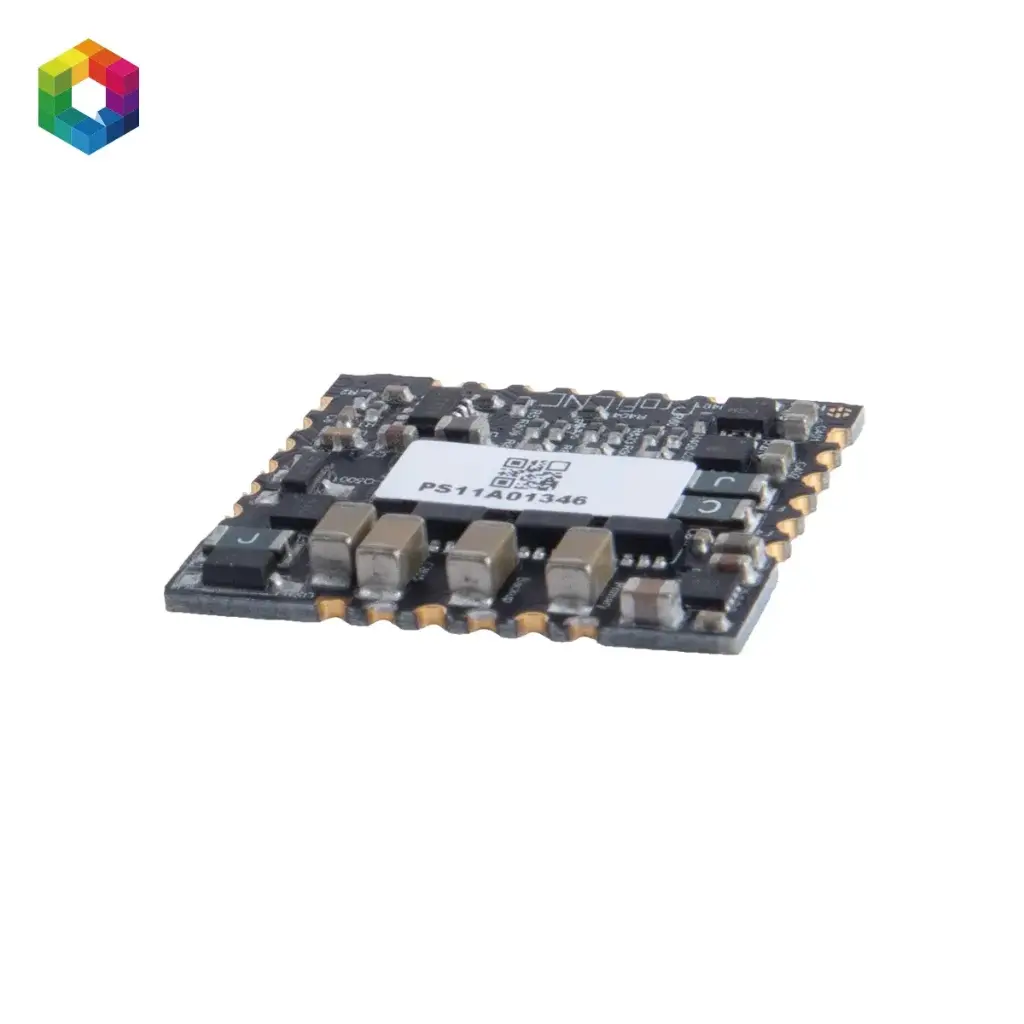
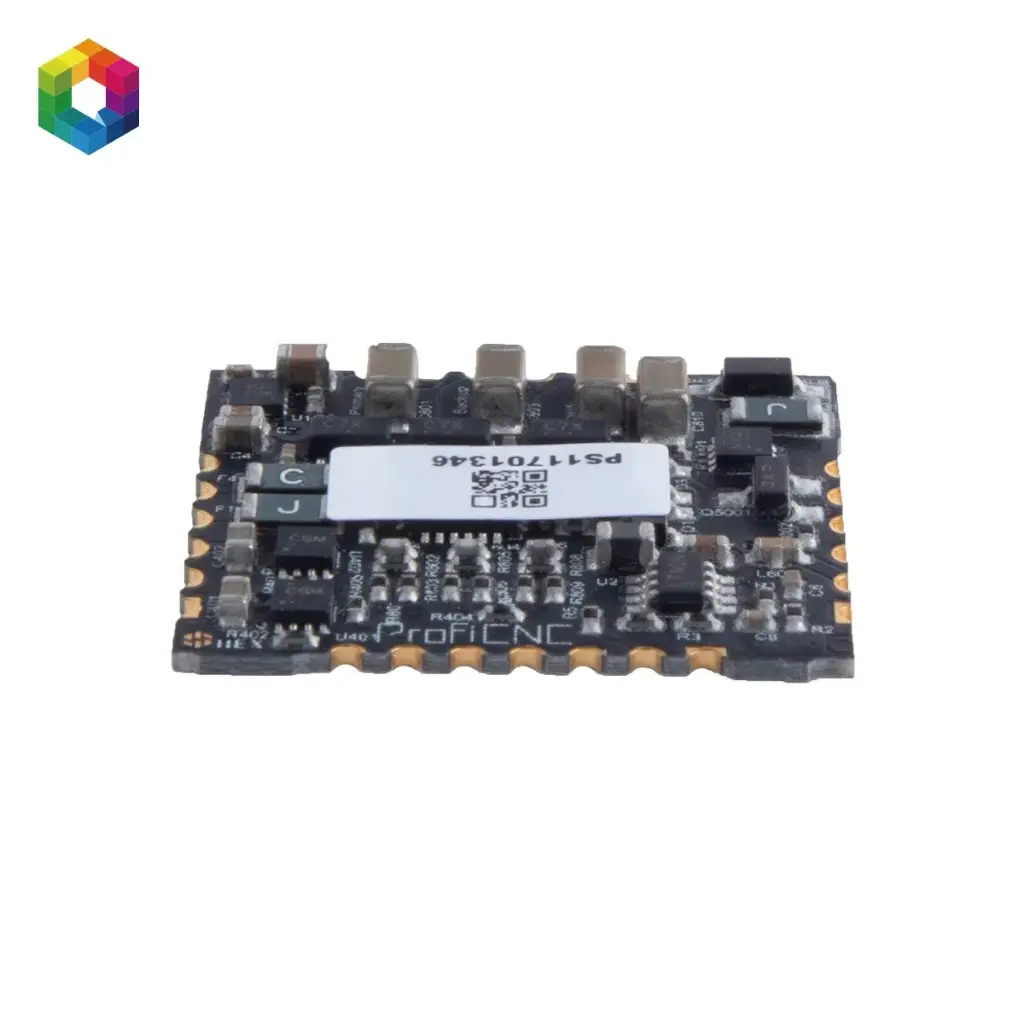
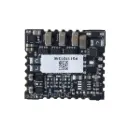
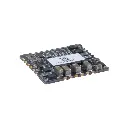
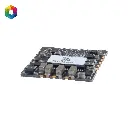
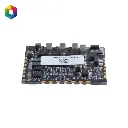
Power Selection Module
The Power Selection Module gives your own Cube carrier board the same power logic as CubePilot's reference design. When the main supply drops out, the module switches to the next valid source on its own, so the autopilot keeps running while you focus on the flight. With nothing to configure and a free reference design to follow, the road from schematic to a working board stays short.
Power Selection Module — The Power Heart of Your Cube Carrier Board
The Power Selection Module by CubePilot is a compact module mounted on the carrier board of a Cube autopilot. It selects which 5V source powers the Cube and its peripherals. It has three inputs, main (Primary), backup (Backup) and USB, and always draws from the highest-priority input with a valid voltage, with the main input preferred. The inputs accept 4.4-5.7V and the output carries the same voltage as the selected input. The backup input is clamped to 5.6V by a Zener diode, which is protected from continuous overvoltage by a fuse and a FET, and the module also holds the buzzer driver. It is designed for custom Cube carrier boards and needs no configuration: it works as shown in CubePilot's reference carrier board design.
Power Selection Module Key Features
Automatic Source Selection
The module powers the Cube from the highest-priority input with a valid voltage, and the main input comes first. If one source drops out, the autopilot moves to the next valid one without any action from you.
Protected Backup Input
A Zener diode clamps the backup input to 5.6V, and a fuse and a FET protect it from continuous overvoltage. Voltage spikes on the backup supply are limited before they go any further.
Buzzer Driver Included
The module also holds the buzzer driver. Your carrier board does not need a separate circuit for it.
Graceful Failures
Power can be taken off the module in different ways, so individual subsystems fail gracefully. When designing the board, you can split the power so a problem in one subsystem does not cut off the others straight away.
Output Matches the Input
The output carries the same voltage as the selected input, within the 4.4-5.7V input range. When planning the board's power, you work with the same voltage you feed in.
Open Reference Design
CubePilot publishes the module's schematic and a reference carrier board design for free on GitHub. You get a ready example of how to build the module into your own design.
Frequently asked questions - Power Selection Module
No. According to CubePilot there is nothing to set: the module works as shown in the reference carrier board design. You only need to connect it on your carrier board the way that design does.
CubePilot publishes the module's schematic and a reference carrier board design for free in its GitHub repository (proficnc/The-Cube). If you are making your own carrier board, CubePilot asks you to register it to receive a free licence to use the patent.
Besides the selected 5V supply for the FMU, the module reports which sources have a valid voltage (main, backup and USB) and signals overcurrent on the peripheral and high-power peripheral supplies. In the other direction, the Cube sends the buzzer signal (ALARM) to the buzzer driver on the module. The signal names are listed in the Cube pinout in CubePilot's documentation.
Power Selection Module Specification
Manufacturer | CubePilot |
Model | Power Selection Module |
Function | 5V power source selection for the Cube autopilot |
Inputs | 3 (main, backup, USB) |
Input Voltage | 4.4-5.7V |
Output Voltage | Same as the selected input |
Source Selection | Highest-priority input with a valid voltage, main input preferred |
Backup Input Protection | Zener diode clamping to 5.6V, protected by a fuse and a FET |
Buzzer Driver | Yes, on the module |
Compatibility | Cube autopilot carrier boards |
Configuration | Not required |
Power Selection Module Package Includes
- 1x Power Selection Module